
Two stores launch the same week. One sells “products for modern living.” The other sells ergonomic gear for remote workers with chronic back pain. A year later, one is thriving – and it is rarely the first one.
That gap comes down to one decision made before the store even launched: the niche.
Roughly 90% of online stores shut down within 120 days (Qallix), and broad positioning is one of the most consistent reasons why. Specificity is not a limitation – it is what makes marketing cheaper, messaging sharper, and customers more loyal.
This guide covers the ten most profitable ecommerce niches for 2026, each chosen based on gross margin potential, repeat purchase behavior, and real consumer demand. Read on to find the one that fits you.
What Makes a Niche Actually Profitable?
Before picking a niche, it helps to understand what you are really evaluating. Not every trending product category makes a strong ecommerce business. The best niche online store ideas usually share three core traits:
i) Gross margins of 60% or higher: Low-margin niches like commodity electronics or generic apparel can generate revenue, but they often leave you racing against price-cutters on Amazon and large marketplaces. Higher-margin categories, like beauty, pet supplements, or digital products, give you room to invest in marketing, customer service, and brand building. When evaluating any niche, gross margin is your first filter, not an afterthought.
ii) Strong repeat purchase potential: A product someone buys once and never reorders is a difficult model to scale. You need a niche where customers return, either because they run out (consumables), grow into new needs (educational products for kids), or upgrade over time (fitness gear, tech accessories). Repeat purchasing directly drives customer lifetime value, which is what separates sustainable stores from those that stall after an initial launch. In practical terms, a higher lifetime value means you can afford to spend more acquiring each customer and still turn a profit.
iii) An underserved or enthusiastic audience: The most sustainable niche businesses rarely target everyone. They focus on people who care deeply about something specific, raw feeding for dogs, zero-waste travel, solopreneurs building home studios, and who may pay a premium for products that feel made for them. Before committing to any direction, ask yourself: Does this have product-market fit? Is there a real, identifiable group already spending money on this problem?
Keep these three filters in mind as you move through the niches below.
Top 10 Profitable Ecommerce Niches for 2026
1. Clean Beauty & Skincare

Clean beauty has moved beyond trend status and into a broader market shift. Research suggests that 65% of consumers now actively look for skincare products made with transparent, cleaner ingredients.
Market Size and Forecast (S&S Insiders):
- Market Size in 2025: USD 10.52 Billion
- Market Size by 2033: USD 29.05 Billion
- CAGR: 13.54% from 2026 to 2033
That is no longer a niche preference. It is increasingly becoming an expectation that many larger brands are still trying to meet.
The opportunity here lies in specificity. “Clean skincare” is too broad. “Clean Korean-inspired skincare for sensitive skin,” “reef-safe SPF for outdoor athletes,” or “zero-plastic haircare for curly hair”, those are more winnable angles. The narrower your positioning, the lower your acquisition costs may become, and the stronger your conversions can be. This is one of the ecommerce niches with high margins because the gross margin on private-label beauty formulations routinely reaches 65–75%.
What to sell:
- Ingredient-transparent serums
- Clean sunscreens
- Solid shampoo bars
- Refillable skincare packaging
- Natural lip care
- Blue-light-defense skincare
Business model tips:
- Partner with a private label manufacturer to control formulation and brand identity
- Offer a subscription routine box for recurring revenue, “clean beauty starter sets” replenish monthly and increase average order value
- Focus on content marketing to build trust and organic traffic
- Publish ingredient breakdowns to educate customers and reduce returns
2. Pet Health & Specialty Nutrition

The pet industry remains one of the more resilient consumer markets. In 2025, the global pet accessories segment alone surpassed USD 157 billion, and forecasts point to continued growth through 2026 and beyond.
What makes this niche interesting is the emotional dynamic. Pet owners are often less price-sensitive than general shoppers. They may willingly pay more for a product they trust, which helps explain why breed-specific supplements, raw and freeze-dried food alternatives, and vet-formulated dental chews often perform well on a per-unit basis.
This is also one of the strongest categories for subscription box models. Pet food and supplements are consumables with predictable reorder cycles, making it straightforward to convert a one-time buyer into a subscriber. That shift from one-off purchases to subscriptions is one of the most reliable ways to increase customer lifetime value in ecommerce.
What to sell:
- Functional pet supplements (joint, gut, anxiety)
- Raw or freeze-dried pet food
- Breed-specific grooming kits
- Organic treats
- Veterinary-grade dental products
Business model tips:
- Offer subscriptions for food and supplements to drive recurring revenue
- Use auto-replenishment to reduce churn and stabilize monthly revenue
- Emphasize ingredient transparency to build trust
- Highlight third-party testing for credibility and quality assurance
3. Home Fitness & Wellness Gear

Home fitness never fully went back to “the gym” the way many predicted. Millions of people built workout habits at home and kept them. In 2026, the sub-niches inside home fitness may offer better opportunities than the broad “gym equipment” market.
According to Fortune Business Insights, this market is projected to grow from USD 13.57 billion in 2026 to USD 22.99 billion by 2034. Compact, apartment-friendly gear appears especially strong. Brands like TRX built businesses around suspension trainers that fit in a drawer. The same logic applies to resistance bands, adjustable kettlebells, foldable yoga platforms, and smart jump ropes with calorie tracking.
Source: https://www.fortunebusinessinsights.com/home-fitness-equipment-market-105118
One smart play: rather than competing on single products, build product bundles. A “20-minute apartment HIIT kit” sells at a higher average order value than individual items and positions your store as a complete solution, not just a product listing. This framing also reduces price comparison shopping, which is one of the bigger challenges in this category.
What to sell:
- Resistance bands
- Adjustable dumbbells
- Recovery tools (massage guns, fascia rollers)
- Portable cardio equipment
- Fitness journals
- Sleep and wellness products (weighted blankets, meditation aids)
Business model tips:
- Bundle products around specific workout styles to increase average order value
- Pair physical products with digital coaching or workout plans for a second revenue stream
- Offer fitness planners or guided programs via email
- Differentiate from generic marketplaces with a complete fitness system
4. Sustainable & Eco-Friendly Products
The sustainable products market is no longer a small feel-good category. It is projected to reach roughly USD 150 billion by 2026, driven by consumer demand and regulatory pressure pushing brands to adapt faster.
Consumer behavior is shifting toward sustainability, with 72% of people worldwide willing to pay a premium for eco-friendly products. That willingness to pay a premium is what makes this one of the more attractive trending product categories for margin-focused founders. Gross margins on certified sustainable goods routinely run 60-70%, particularly when private-label manufacturing and direct-to-consumer sales are combined.
The challenge here is avoiding greenwashing. Savvy shoppers, especially Millennials and Gen Z, spot vague claims quickly. “Eco-friendly” without certification or supply-chain transparency often weakens credibility rather than strengthening it.
What to sell:
- Compostable packaging products
- Beeswax wraps
- Reusable drinkware
- Bamboo home goods
- Zero-waste personal care products
- Upcycled fashion accessories
Business model tips:
- Highlight certifications (B Corp, 1% for the Planet, FSC, GOTS) to justify premium pricing
- Create transparent sourcing pages to show product origins
- Share sustainability practices to strengthen brand positioning
- Educate customers on environmental impact to support conversions
5. Print-on-Demand for Niche Communities
The print-on-demand model has matured significantly. The global POD market was valued at USD 10.7 billion in 2025 and is forecast to grow through 2033 to USD 57.49 billion.
Yet the likely winners in 2026 are not stores selling generic “funny quote” t-shirts. They are serving tightly defined communities, pediatric oncology nurses, amateur astronomers, weekend mushroom foragers, and independent bookstore staff. These communities are close-knit; they share culture internally, and when a product reflects their identity, conversions can be surprisingly strong.
Print-on-demand is worth considering if you are evaluating online store ideas with minimal startup risk. Because fulfillment is outsourced to partners like Printful or Printify, there is no minimum order quantity requirement and no inventory to manage. The tradeoff is margin: gross margins on POD products typically run 30–45%, which is lower than private label. That makes customer acquisition cost management especially important in this model.
What to sell:
- Community-specific apparel
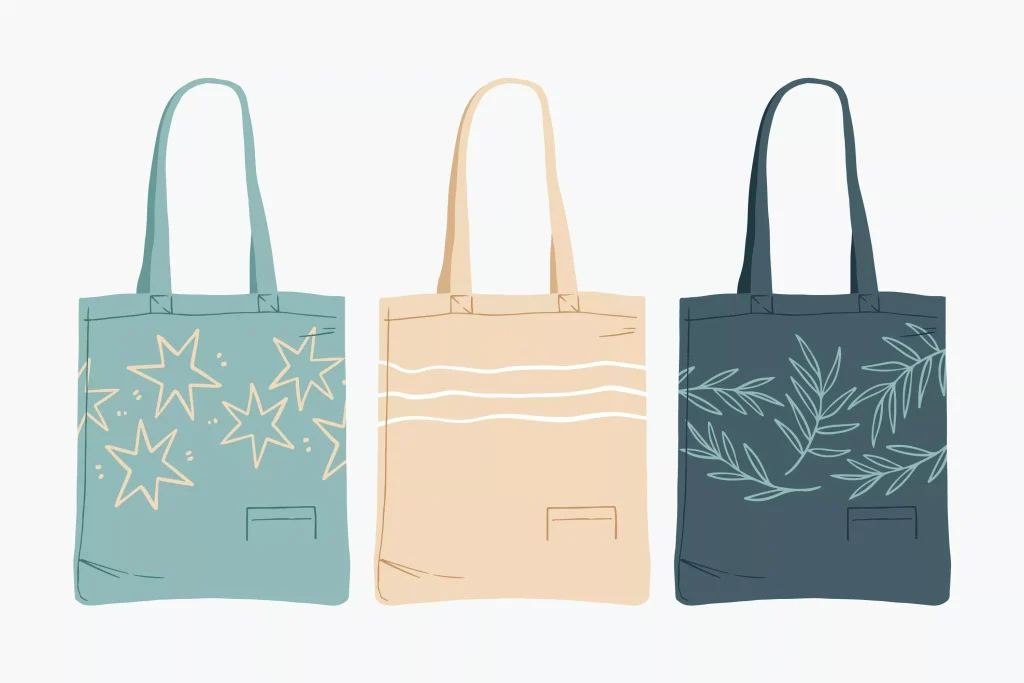
- Mugs, tote bags, stickers
- Art prints and phone cases
- Notebooks via fulfillment partners
Business model tips:
- Launch quickly with 10–15 designs for a focused audience
- Gather early feedback to identify winning designs
- Double down on what resonates and iterate quickly
- Use print-on-demand partners to stay lean and flexible
6. Educational Toys & STEM Kits
Parents are increasingly aware of screen time and invest in alternatives that combine play with learning. The global educational toy market is projected to reach USD 118 billion by 2030, with STEM kits representing a meaningful share of that growth.
This niche often performs well during gift seasons, Christmas, birthdays, and back-to-school periods. But the strongest brands build year-round loyalty by focusing on developmental stages rather than one-off products. Subscription boxes work particularly well here: a monthly STEM activity box that grows with the child creates genuine recurring revenue and dramatically improves customer lifetime value compared to a single-purchase toy sale.
What to sell:
- Coding kits and robotics sets
- Chemistry kits and geography games
- Wooden puzzles
- Subscription STEM activity boxes
Business model tips:
- Offer subscription boxes for recurring revenue
- Create age-based learning paths to guide progression and upsell naturally
- Bundle products by skill level or subject
- Position products as both educational and engaging
7. Sleep Tech & Comfort Products

Sleep has evolved from a wellness talking point into a real spending category. People are investing in better rest, not just pillows, but smart trackers, cooling mattress pads, light-therapy alarms, and noise-masking devices.
This is one of the more underserved spaces on our list when it comes to dedicated niche market players. Many sleep products are sold by broad home goods retailers that do not speak directly to sleep-focused buyers. That gap creates room for sharper positioning and content-led SEO. A store built around sleep optimization can dominate a cluster of long-tail keywords, “best cooling mattress topper for hot sleepers,” “magnesium supplement for sleep anxiety”, that larger retailers rarely target specifically.
What to sell:
- Weighted blankets and cooling mattress toppers
- White noise machines and blackout sleep masks
- Blue-light-blocking glasses and sleep wearables
- Magnesium-based sleep supplements
Business model tips:
- Create content focused on sleep hygiene and common sleep problems
- Target search intent like “how to sleep better” and “insomnia solutions.”
- Collaborate with sleep coaches or therapists to build credibility
- Bundle products into complete “sleep improvement kits” to raise average order value
8. Home Office & Ergonomic Furniture
Remote and hybrid work have permanently expanded the home office market. But the opportunity is not in competing with IKEA on price. It is in serving sub-segments that larger retailers often overlook, nature-inspired workspaces, modular standing desks for small apartments, ergonomic setups for people with chronic pain, or creator-focused desk environments.
This category also has a strong B2B angle. Companies equipping remote teams often purchase in bulk, which can significantly raise average order value per transaction. If you are evaluating ecommerce business ideas with corporate gifting or B2B potential, this niche is worth a close look. Gross margins on premium ergonomic accessories routinely sit at 50–65%, especially when you are sourcing through a reliable supplier with manageable minimum order quantities.
What to sell:
- Standing desk converters and ergonomic keyboard and mouse sets
- Monitor risers and cable management tools
- Desk organizers and acoustic panels for video calls
Business model tips:
- Position products as premium workspace upgrades
- Target B2B opportunities (companies equipping remote teams)
- Offer bulk pricing or corporate packages to increase order volume
- Bundle products into complete workspace setup kits
9. Outdoor, Camping & Adventure Gear
The outdoor category continues to benefit from long-term travel and lifestyle trends. According to the World Travel & Tourism Council, the global travel and tourism sector is expected to contribute around USD 9.5 trillion to the global economy in 2026, with outdoor experiences representing a growing share.
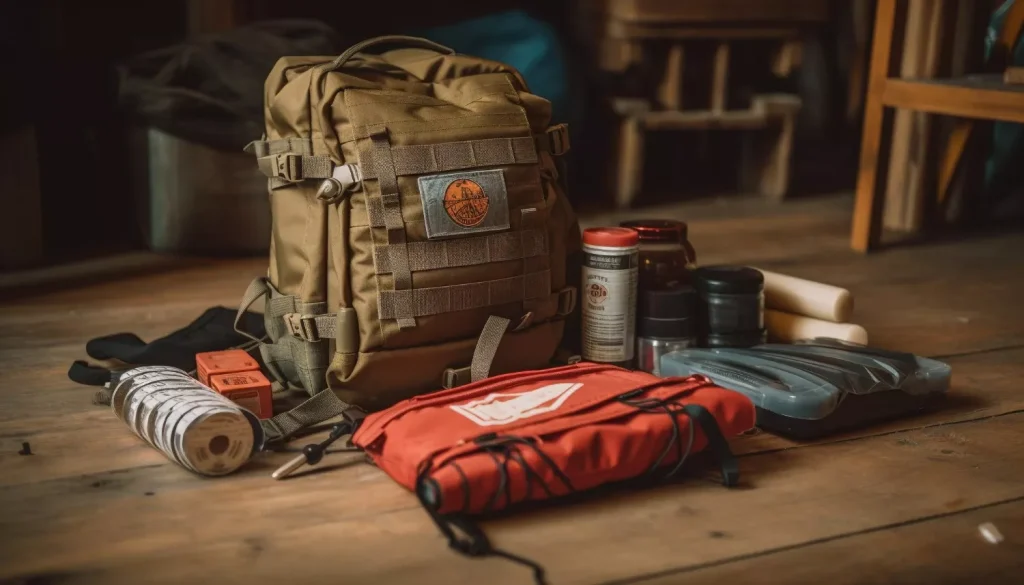
The sweet spot is not selling tents against REI. It is serving specific users: digital nomads needing ultralight gear, overlanders needing vehicle accessories, or trail runners needing specialized hydration systems. This niche is particularly well-suited to a dropshipping model in the early stages, as many outdoor suppliers offer dropshipping arrangements that let you test product-market fit before committing to bulk inventory.
What to sell:
- Packable cookware and solar chargers
- Anti-theft backpacks and collapsible water filters
- Hammock gear and hiking-focused apparel
Business model tips:
- Invest in content marketing to attract organic traffic
- Publish gear reviews and packing lists for specific trip types
- Share trail guides to capture search demand
- Use content to position your store as a go-to outdoor resource
10. Personalized & Handmade Goods
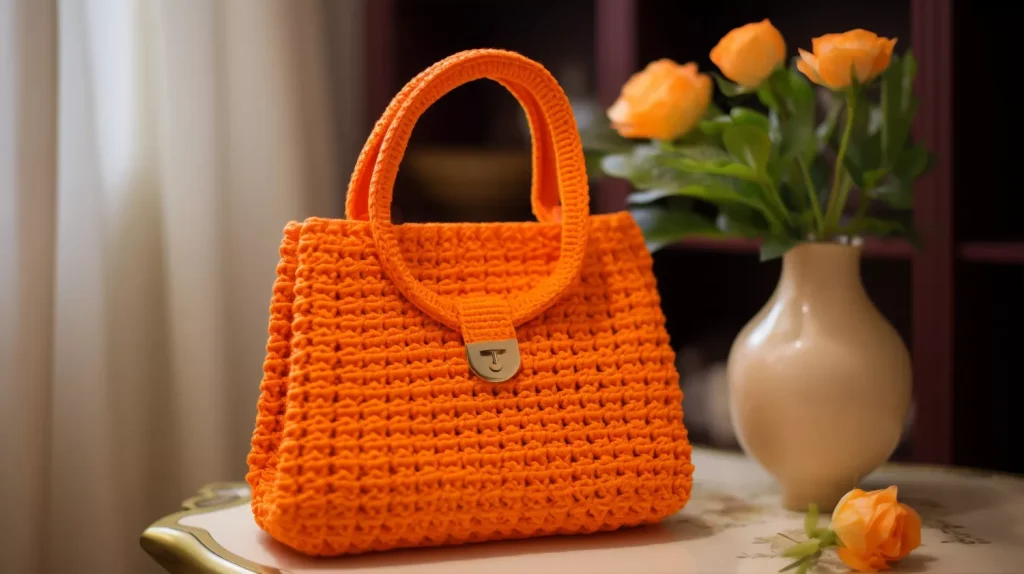
Personalization remains one of the clearest counters to mass production, and customers often pay a premium for it. From engraved jewelry to custom pet portraits to monogrammed baby gifts, the personalized goods market is projected to approach USD 1 trillion by 2030.
This niche performs best when tied to emotional moments, weddings, birthdays, new babies, graduations, and holidays. It is also one of the few online store ideas where small artisan sellers can genuinely outcompete larger brands on authenticity and presentation. The barrier to entry is low, startup costs can be kept under USD 500, and gross margins of 65–80% are realistic for handmade or personalized products where craftsmanship justifies the price.
What to sell:
- Personalized jewelry and custom pet portraits
- Engraved cutting boards and baby milestone gifts
- Embroidered accessories and made-to-order art prints
Business model tips:
- Run limited-time bundle offers around key gifting seasons (Valentine’s Day, Mother’s Day, Christmas)
- Use urgency and personalization to increase conversions
- Invest in high-quality photography that captures the gifting moment
- Emphasize emotional value, not just the product itself
Best Ecommerce Niche Comparison Table
| Niche | Startup Cost | Avg. Gross Margin | Repeat Purchase? | Competition Level | Business Model Fit |
| Clean Beauty & Skincare | Medium | 65–75% | High | Medium | Private label, subscription box |
| Pet Health & Specialty Nutrition | Medium | 55–70% | Very High | Medium | Subscription, private label |
| Home Fitness Gear | Low–Medium | 50–65% | Medium | High | Bundling, dropshipping |
| Sustainable Products | Low–Medium | 60–70% | Medium | Medium | Private label, DTC |
| Print-on-Demand | Very Low | 30–45% | Low–Medium | Low | Print-on-demand |
| Educational Toys & STEM | Medium | 55–70% | High | Low–Medium | Subscription box, bundling |
| Sleep Tech & Comfort | Medium | 60–75% | Medium | Low | Private label, DTC |
| Home Office / Ergonomic | Medium–High | 50–65% | Low–Medium | Medium | Bundling, B2B, dropshipping |
| Outdoor & Adventure Gear | Medium | 55–70% | Medium | Medium–High | Dropshipping, private label |
| Personalized & Handmade | Low | 65–80% | Medium | Low–Medium | DTC, Etsy-adjacent |
How to Pick the Right Niche for Your Business
Reading a list of niches is the easy part. Matching one to your real situation is harder. Here is a practical three-step filter.
Step 1: Assess what you already know
A former fitness coach has a built-in advantage in home fitness. A veterinary technician likely understands pet nutrition better than someone reading trend blogs. Existing knowledge lowers your barrier to entry and often shows up in better content and customer conversations. Domain expertise is one of the most underrated forms of competitive advantage in niche ecommerce.
Step 2: Validate demand before spending money
Use Google Keyword Planner or Ahrefs to estimate search demand for your core terms. A keyword like “ergonomic keyboard for small hands” with meaningful search volume and few dedicated brands may be a positive signal, that is the definition of a low competition ecommerce niche. Pair it with Google Trends to see whether interest is rising or fading. If the trend line is declining, look elsewhere regardless of how attractive the gross margin appears.
Step 3: Test product-market fit before committing
Before building a full store, test demand with a small ad budget, USD 100–200, on Meta or Google. Send traffic to a landing page with an email opt-in or pre-order offer. If people do not engage there, a full catalog may not fix the issue. This kind of micro-test is especially important if you are planning to carry inventory or place a first minimum order quantity with a supplier.
Best Practices for Launching a Niche Ecommerce Store
There are specific behaviors that separate niche stores with sustainable margins from those that stall after the initial launch push.
1. Go deep, not wide: Resist expanding too quickly. Many successful niche stores start with 5–15 carefully chosen products, then grow once they understand what resonates. Early breadth is almost always a distraction from finding genuine product-market fit.
2. Build content before ads: Stores with lower acquisition costs often dominate organic search. Publish buying guides, comparisons, and long-tail content early. This strategy takes time, but it compounds, unlike paid ads, which stop the moment you stop spending.
3. Use email from day one: An email list is one of the most durable assets a niche store can build. It is more stable than social reach and more efficient than paid ads over time. Even a list of 500 engaged subscribers can generate meaningful revenue during launch campaigns.
4. Price for trust, not volume: Niche buyers usually expect to pay more for products that feel tailored to them. Competing purely on price in a niche market is almost always a losing strategy, it attracts the wrong customers and collapses your gross margin. Price for the value you deliver, not the cheapest equivalent on Amazon.
5. Design for repeat purchases from day one: Whether through subscriptions, replenishment reminders, or loyalty programs, recurring revenue should be built into your model early, not added later when growth stalls. Stores that engineer repeat buying into their core model grow customer lifetime value faster than those treating every purchase as a one-off transaction.
6. Know your average order value target before you set prices: Your average order value determines how much you can spend on customer acquisition and still hit margin targets. If your AOV is USD 35 and your cost of goods is USD 15, your customer acquisition ceiling is very low. Build bundles, upsells, or cross-sells that naturally push AOV higher.
7. Monitor niche communities, not just search data: Reddit, Facebook Groups, Discord servers, and forums reveal how customers actually talk about their problems. That language often dramatically improves copy, email subject lines, and ad creative, and it is completely free.
8. Nail your product photography: Generic images weaken credibility fast. Lifestyle photography showing real use builds trust almost immediately. This matters especially in niches like personalized goods, clean beauty, and sleep products, where emotion and aesthetics drive the purchase decision.
Final Words
The best profitable ecommerce niches are not necessarily the flashiest ones. They are the ones solving a real problem for a specific group of people already willing to spend money. Clean beauty, pet health, sleep optimization, sustainable goods, and personalized products all fit that model for different reasons, but they share one principle: specificity wins.
If you are starting fresh, the strongest place to begin is often your own experience. A niche you genuinely understand can outperform one that only looks attractive in a spreadsheet. You will write better content, make smarter product choices, and speak to customers in a way that feels credible. That credibility compounds.
Niche ecommerce works best when you choose one direction, test it cheaply, and improve step by step. Focus on products with good margins, repeat customers, and a clear audience. Many successful brands are being built this way right now.
Build, Grow & Sell Smarter with EasyCommerce
Join our inner circle community for the latest ecommerce tips, AI insights, & updates.
Frequently Asked Questions
A niche store focuses on a specific audience, while a general store sells a wide range of products. Niche stores are easier to market, build more trust, and often convert better. Even with a smaller audience, they usually get more loyal customers and higher long-term value.
It depends on your business model: Print-on-demand: $100–300 to start Dropshipping: $300–1,000 including basic ads Private label: $2,000–10,000+ for inventory and branding Handmade: often under $500 A smart approach is to test demand first using small ads or a preorder page before investing heavily.
Some High-margin categories: Digital products: 80–95% Clean beauty/skincare: 65–75% Personalized/handmade: 65–80% Pet supplements: 55–70% Low-margin niches like generic electronics or basic fashion are harder due to price competition, while high-margin niches give more room to build a brand.
Simple 3-step process: Check demand using tools like Google Keyword Planner, Ahrefs, or Google Trends Validate interest in Reddit, Facebook Groups, or niche forums by studying real problems and language Run a small test (landing page + $100–150 ads) If people click or sign up, the niche likely has product-market fit.
Yes, but only if done right. Generic dropshipping with copied products and slow shipping is much less effective now. The better approach is niche-focused stores with real branding, faster suppliers, original content, and a clearly defined audience. Successful stores today behave more like brands than resellers, and that difference is critical.
Many niche stores start as side hustles. Print-on-demand and dropshipping are easiest part-time since fulfillment is outsourced. Private label and handmade take more time due to sourcing and support. Most effort early goes into marketing and content. With consistent work, meaningful profitability typically takes 6–12 months.



Great breakdown.
Thanks for sharing such an informative content!
Mitchell,
Glad you found it helpful.
Feel free to check out more articles on our blog and share your thoughts anytime.
Thanks for reading!